

Introduction: The Misconception of “Standard” Coverage
Boat insurance Fort Myers is not a single product. It’s a collection of policy structures, coverage limits, and exclusions that vary significantly by carrier, vessel type, and intended use. Most boat owners assume their policy will respond when something goes wrong — but many claim denials begin with misunderstood policy language or gaps in coverage that were never explained.
Fort Myers is Florida’s boating capital for a reason. The Caloosahatchee River, Gulf access, and year-round cruising conditions create one of the most active marine environments in the country. But that also means heightened exposure to named storms, busy waterways, submerged hazards, and liability incidents at crowded marinas.
The difference between a policy that performs and one that doesn’t often comes down to what was discussed — or more importantly, what wasn’t — when the policy was bound. Many boat owners find coverage gaps only after a loss, when it’s too late to correct them.
This article explains how yacht insurance functions in Fort Myers, what serious boat owners should consider when reviewing a policy, and how to avoid the most common mistakes that lead to claim frustration or financial exposure.
I’m Eric Fisher, founder of On The Water Marine Insurance, and I’ve spent over a decade in marine risk management and yacht insurance underwriting. I work exclusively with boat owners in Fort Myers and across Florida to help them understand their boat insurance Fort Myers options and build policies that align with how they actually use their vessels.
Understanding the Foundation of a Marine Policy in Fort Myers
In Fort Myers, owning a boat is often more than a hobby; it’s a way of life. For many, a vessel represents a significant investment in leisure, exploration, and memories. Protecting this investment and your personal assets requires a thoughtful approach to boat insurance. We view insurance not merely as a legal obligation, but as a critical tool for risk management, safeguarding against the unpredictable nature of the sea and the unique challenges of Florida’s busy waterways.
Fort Myers boat owners face specific risks. These can range from the devastating impact of hurricane season to the everyday hazards of crowded channels, submerged objects, or potential theft and vandalism. Each of these scenarios carries financial implications that a well-structured policy is designed to mitigate. The true value of a policy often lies in the precise language it contains, which defines the scope of your protection. A thorough policy review is essential to ensure that your coverage aligns with your expectations and your vessel’s actual use.
Common Risks for Fort Myers Yacht Owners
Operating a yacht in the Fort Myers area, with its blend of natural beauty and busy maritime activity, presents a distinct set of challenges. We find that certain risks are particularly prevalent for our clients here:
- Named Storms: Florida’s hurricane season is a primary concern. Policies often have specific provisions, deductibles, and requirements for named storm coverage, which can vary significantly depending on the carrier and the vessel’s location during a storm event.
- Grounding: The intricate network of shallow waterways and shifting sands, particularly in the Gulf and around barrier islands, increases the risk of grounding. This can lead to significant hull damage and potential salvage costs.
- Collisions in crowded channels: With Florida being the boating capital of the U.S., busy waterways like the Caloosahatchee River and Gulf access points can lead to collisions with other vessels.
- Electrical system failures: Modern yachts rely heavily on complex electrical systems. Failures can lead to fires, loss of navigation, or other operational issues, potentially causing damage or stranding the vessel.
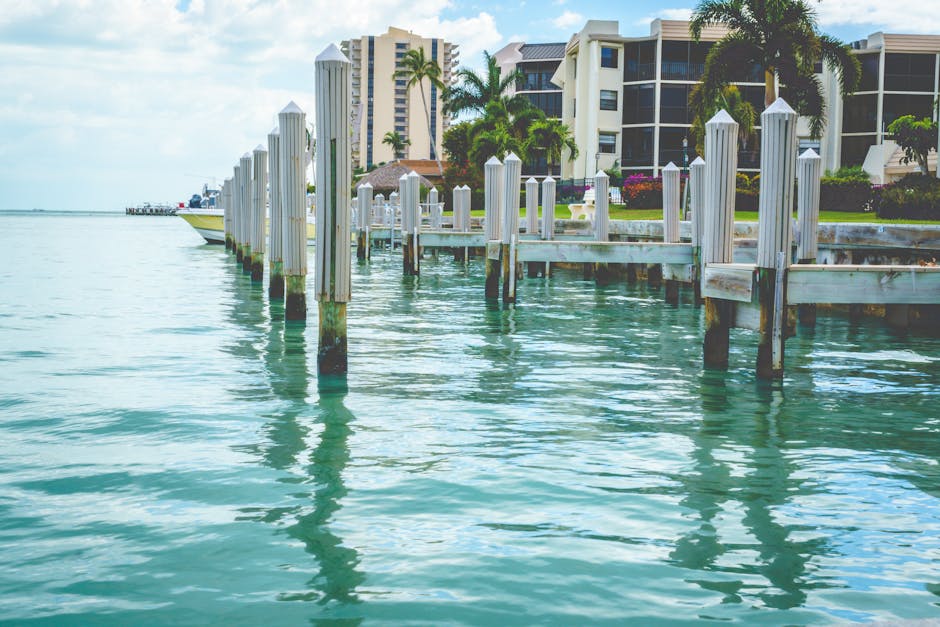
- Liability incidents at marinas: Crowded marinas in Fort Myers can be sites for accidents, from minor bumps while docking to more serious incidents involving damage to docks, other vessels, or injury to individuals.
Why a Policy Is More Than Just a Document
A yacht insurance policy serves multiple critical functions beyond simply paying for repairs. It acts as a comprehensive financial safeguard for your investment, protecting against a range of incidents from accidents and damages to theft and vandalism.
Crucially, it provides liability protection, which covers damages or injuries you may cause to others while operating your vessel. This includes bodily injury coverage for medical expenses, rehabilitation costs, and legal fees if you are at fault for an accident, as well as property damage liability for repairing or replacing another’s property.
Beyond direct financial protection, a policy often fulfills contractual obligations for lenders who finance yacht purchases, ensuring their collateral is protected. Marinas may also require proof of specific liability coverage limits before allowing you to dock. Understanding these diverse purposes helps clarify why a thorough review of policy language is paramount.
Key Coverage Considerations for Serious Boaters
When reviewing yacht insurance, understanding the policy’s structure is fundamental. Coverage can vary significantly by carrier, and what one policy offers, another may exclude or provide through an endorsement. We commonly discuss concepts like Agreed Value versus Actual Cash Value, Hull and Machinery coverage, Protection & Indemnity (P&I), and navigational limits. These are not just terms; they define the financial recourse you may have in the event of a loss.
Core Components of a Yacht Policy
A robust yacht policy typically consists of several core components, each addressing a different aspect of risk:
- Hull Coverage: This is the physical damage portion of your policy. It covers damage to the yacht itself, including the hull, machinery, and permanently attached equipment, resulting from perils like collision, fire, theft, vandalism, or named storms. The payout structure often depends on whether your policy is “Agreed Value” (where the insurer agrees to a specific value at policy inception) or “Actual Cash Value” (depreciated value at the time of loss).
- Liability (Protection & Indemnity – P&I): This is crucial for bodily injury and property damage you might cause to others. Scenarios could include a collision with another vessel, damage to a dock, or injuries to guests on board. P&I coverage may also extend to certain environmental damages, such as fuel spills.
- Medical Payments Coverage: This typically covers reasonable medical expenses for injuries sustained by you or your guests while on board your vessel, regardless of fault.
- Tender and Small Craft Coverage: If your yacht carries a tender or other small watercraft, its coverage may be included under the main policy, or it might require a specific endorsement. Policy language will delineate how these are covered, particularly when not physically attached to the main vessel.
It is important to remember that policy language may include specific exclusions, such as wear and tear, cosmetic damage, or damage due to lack of maintenance.
Optional Endorsements and Their Purpose
While core coverages form the backbone of a yacht policy, optional endorsements can provide custom protection for specific needs and risks. These additional coverages are often where the nuances of your boating lifestyle are addressed:
- Personal Effects Coverage: This protects personal belongings on your yacht, such as fishing gear, electronics, clothing, and other valuables, against theft, fire, or other specified perils. Without this endorsement, your standard policy might not cover these items.
- Uninsured/Underinsured Boater Coverage: Given the high boater traffic in Florida, this endorsement can be particularly valuable. It protects you and your passengers if you are involved in an accident with another boater who either has no insurance or insufficient insurance to cover your damages or medical expenses.
- Towing and Assistance: This covers the cost of towing your disabled vessel to the nearest repair facility, as well as other emergency services like fuel delivery or jump-starts, similar to roadside assistance for a car.
- Fishing Equipment: For serious anglers, specialized fishing equipment can be a significant investment. An endorsement can provide higher limits for loss or damage to these items than standard personal effects coverage.
- Charter Use Endorsements: If you intend to charter your vessel, even occasionally, specific endorsements are required. These modify your policy to cover the increased liability and commercial use, often including provisions for incidental commercial fishing or renting the boat to others.
Understanding Uninsured Boater Coverage for boat insurance Fort Myers
Uninsured/Underinsured Boater (UB/UIM) coverage is an often-overlooked yet critical component for boat insurance Fort Myers. With Florida’s busy waterways, the probability of encountering another boater who lacks adequate insurance is a real concern. This coverage is designed to protect you, your passengers, and your vessel from the financial exposure that arises when an at-fault party has insufficient or no liability insurance.
Here are scenarios where Uninsured Boater coverage may apply:
- You are involved in a collision with another vessel whose operator is at fault but carries no liability insurance.
- The at-fault boater’s liability limits are insufficient to cover the full extent of your medical bills or your yacht’s damages.
- A hit-and-run incident occurs, and the responsible party cannot be identified.
- You or your passengers suffer injuries due to the negligence of an uninsured boater.
While Florida law mandates liability coverage for boat owners, the minimum requirements may not be enough to cover catastrophic losses. Uninsured Boater coverage can function similarly to how it does for auto insurance, stepping in to cover medical expenses, lost wages, and damage to your vessel when the at-fault party cannot. The specific terms and limits of this coverage can differ significantly by carrier, making a careful review essential for Fort Myers boaters.
Factors That Influence a Yacht Insurance Policy
The cost and structure of your yacht insurance policy are determined by a comprehensive underwriting process. This involves a detailed review by a marine insurance specialist who assesses various risk factors. The information you provide on your application directly impacts the policy structure and the terms offered. Transparency throughout this process is critical; providing accurate and complete details ensures that the underwriter can properly assess the risk and tailor coverage appropriately.
We have found that providing as much information as possible on the quote form allows our underwriters to find the maximum number of credits, which can be applied to lower premiums. This personalized review ensures that each boat owner and watercraft is unique, requiring a customized approach rather than a one-size-fits-all solution.

Information Required for a Comprehensive Review
To obtain a comprehensive and accurate yacht insurance quote in Fort Myers, certain detailed information is typically required. This data allows underwriters to assess the risk thoroughly and tailor a policy that fits your specific needs. We typically gather the following:
- Vessel Details: This includes the year, make, model, and length of your yacht.
- Hull ID Number (HIN): Essential for unique identification of your vessel.
- Market Value: An accurate assessment of your yacht’s current market value is critical for determining appropriate coverage limits.
- Storage Location: Where your boat is stored (e.g., in-water slip, dry storage, hurricane-rated facility) can influence risk and available discounts.
- Intended Use: Whether the yacht is for private pleasure, incidental charter, or other uses significantly impacts the policy type and cost.
- Operator Experience: The primary operator’s boating experience, including their date of birth and any recent accidents or tickets, is a key factor.
- Boating Safety Education: Completion of approved boating safety courses can often lead to discounts.
- Prior Claims History: Details of any previous marine insurance claims can affect insurability and premiums.
- Engine Type and Horsepower: Details about your propulsion system are also relevant.
- Trailer Coverage: If you have a trailer, whether coverage for it is desired.
- Structural Modifications/Customization: Any significant modifications to the boat or engine.
How Vessel Condition and Use Affect a Policy
The physical condition of your yacht and how you intend to use it are paramount in determining your insurance policy’s terms and cost. Underwriters carefully consider these aspects to gauge the level of risk.
A recent marine survey is often a prerequisite for insuring high-value yachts. This independent assessment provides a detailed report on the vessel’s condition, identifying any deficiencies that might need to be addressed. Proactive maintenance records demonstrate responsible ownership and can contribute to more favorable terms. Similarly, any upgrades or modifications to the vessel should be disclosed, as they can affect both its value and its risk profile.
The distinction between private pleasure use and charter operations is significant. Chartering your vessel, even occasionally, generally requires different coverage dueating to increased liability and commercial exposure. Your planned cruising area and navigational limits also play a role; a policy for coastal cruising in Fort Myers may differ from one covering extended offshore voyages or international waters.
Taking Florida boating regulations and safety courses not only improves your skills and safety but can also be recognized by insurers as a factor in potentially lowering your premiums.
Navigating Legal Requirements and Securing Appropriate Terms
Florida’s vibrant boating landscape, while offering unparalleled opportunities, also comes with specific responsibilities. While some misconceptions exist about mandatory insurance, the reality is that while Florida law requires liability coverage, comprehensive yacht policies often go far beyond these minimums. Marina and lender requirements frequently set a higher standard for insurance, demanding specific liability limits or types of coverage to protect their interests. Understanding these nuances and seeking professional guidance can be invaluable in securing appropriate terms for your vessel.
Florida’s Legal Requirements for boat insurance Fort Myers
For boat insurance Fort Myers, it’s crucial to understand Florida’s legal landscape regarding vessel coverage. Florida law mandates that boat owners carry liability coverage, which protects against damages or injuries you may cause to others while operating your vessel. This requirement is in place to ensure that victims of boating accidents have a source of recourse. Non-compliance with these requirements can result in fines and legal consequences.
However, this mandatory liability coverage is often a bare minimum and may not be sufficient for the comprehensive protection a yacht owner typically needs. Proof of insurance may be required during vessel registration or when operating in certain areas. It is important to note that this differs significantly from the broader protections offered by a comprehensive yacht policy, which includes hull coverage, personal effects, and various other endorsements. For more detailed information on state-specific requirements, you can find more info about Florida boat insurance.
The Role of an Independent Marine Specialist
Navigating the complexities of yacht insurance in Fort Myers is where an independent marine specialist can be particularly valuable. Unlike agents tied to a single carrier, we have access to multiple top-rated carriers, including specialized ones that offer policies not typically available online. This access allows us to shop the market comprehensively, identifying policies that best match your specific vessel and boating lifestyle.
We understand that policy language can be intricate. Our role is to simplify this, ensuring you understand what your policy may or may not cover. We guide you through the application process, helping you provide the necessary detailed information to secure the most favorable terms. Should an incident occur, we can act as your advocate during a claim, leveraging our expertise to help ensure a fair resolution. A marine specialist differs from a general agent by possessing a deeper understanding of maritime risks, vessel types, and specialized marine insurance products.
Strategies for Managing Long-Term Insurability
Securing favorable insurance terms for your yacht is not a one-time event; it involves ongoing strategies to manage your risk profile. Proactive measures can contribute to maintaining long-term insurability and potentially more stable premiums.
Here are factors that may support favorable terms:
- Maintaining a clean operating record: A history free of claims or maritime violations often results in better premiums and demonstrates responsible boating.
- Proactive vessel maintenance: Regular and documented maintenance shows due diligence in preserving your investment and mitigating potential mechanical failures.
- Investing in safety equipment: Installing safety features such as GPS, anti-theft devices, fire suppression systems, and ensuring proper navigation electronics can be viewed favorably by underwriters.
- Completing advanced boater education: Beyond basic safety courses, advanced training demonstrates a commitment to safe operation and can sometimes qualify you for additional credits or discounts.
- Bundling policies: In many cases, combining your yacht insurance with other policies, such as home or auto, through the same provider can lead to discounts.
These practices not only contribute to your safety and enjoyment on the water but also position you as a lower-risk policyholder, which can be advantageous in the long run.
Conclusion: Making an Informed Decision for Your Vessel
Understanding your boat insurance Fort Myers is about more than just checking a box; it’s about managing risk effectively. We’ve explored the unique challenges of boating in Fort Myers, the critical components of a yacht policy, and the factors that influence coverage. The importance of clarity over assumptions cannot be overstated. A well-structured policy, thoroughly reviewed and understood, aligns with responsible yacht ownership and helps mitigate the financial impact of unforeseen events.
For owners of 35’+ vessels seeking to understand their coverage options and steer the complexities of marine insurance, the specialists at On The Water Marine can provide a professional review and request a quote here.
Related Articles

Why Professional Marine Rental Insurance Is More Complex Than Most Operators Realize Most marine insurance problems don’t appear when a policy is bound — they appear [...]
Why Yacht-Based Fishing Guide Services Need Specialized Marine Insurance Kayak fishing guide insurance may be a common search term, but if you operate a professional fishing [...]
The Misconception of Automatic Coverage One of the most frequent conversations we have with clients involves the assumption that existing insurance umbrellas will naturally extend to [...]

