

Understanding What Drives Marine Insurance Costs for Professional Guides
How much does fishing guide insurance cost is one of the most common questions from guides starting or expanding a charter operation—but it’s also one of the hardest to answer without context. Unlike personal boat insurance, commercial guide coverage is not priced from a simple rate table. Premiums vary significantly based on your vessel, operating area, passenger capacity, experience, and the specific coverages you select.
Understanding the Cost Factors
While it’s natural to ask about cost, there is no simple rate table for commercial guide coverage. Premiums are highly customized and influenced by a range of factors specific to your operation. Key drivers of cost include:
- Vessel and Operation: The size, value, and age of your vessel, along with your intended passenger capacity and navigational limits (inshore vs. offshore), are primary considerations.
- Experience and History: Your years of experience as a guide, claims history, and professional certifications all play a role in how underwriters assess risk.
- Coverage Selection: The types and limits of coverage you choose, such as the value of your hull coverage and the amount of liability protection, will directly impact the final premium.
These factors are analyzed by underwriters to create a premium that reflects your unique risk profile.
Most marine insurance problems don’t appear when a policy is bound—they appear when something goes wrong. A common, and potentially business-ending, misconception is that a personal boat policy provides adequate protection for commercial guiding operations. The distinction between recreational use and for-hire activity is a critical line in marine insurance, and crossing it without proper coverage can leave you exposed to significant liability.
This guide clarifies the unique insurance considerations for professional fishing guides operating in the Gulf Coast, Atlantic seaboard, and inland waters from Texas eastward. You’ll learn what types of coverage exist, how underwriters assess your operation, and which factors have the greatest impact on your annual premium—so you can budget appropriately and avoid costly gaps in protection.
I’m Eric Fisher, founder of On The Water Marine Insurance, and I’ve spent over a decade helping charter operators and marine businesses understand how much does fishing guide insurance cost and how to structure coverage that truly fits their operations. After years managing national yacht insurance programs and working directly with guides and captains, I launched this independent brokerage to provide clearer, more personalized guidance for marine professionals navigating complex coverage decisions.
Why Standard Boat Insurance May Not Address Guiding Risks
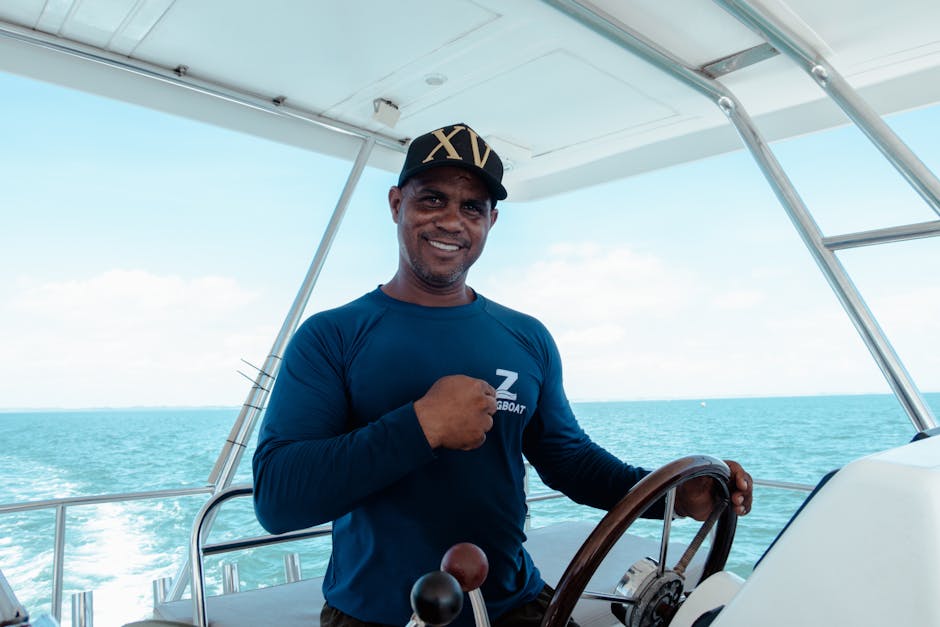
The distinction between personal recreation and commercial activity is a critical line in marine insurance. Once payment is accepted for a trip, legal responsibilities and risk profiles can change significantly, and a standard policy may not respond to a claim.
The “For-Hire” Exclusion
Many personal boat insurance policies contain a “for-hire” or “commercial use” exclusion. This means that if you are operating your vessel for financial gain, even if it’s just an occasional trip, your personal policy may explicitly deny coverage for any incidents that occur during that commercial activity. We have seen instances where individuals assume their existing boat insurance is sufficient, only to find too late that it may offer no protection when they are guiding.
Operating “for hire” significantly increases the liability exposure. You are not only responsible for the safe operation of your vessel but also for the well-being of your paying clients. This often includes potential claims related to client injuries, property damage, or even a client’s lost fishing opportunity. This is a common misunderstanding. A personal policy is typically not designed to handle these liftd risks or the contractual obligations that come with running a business.
You can learn more about what typical boat insurance covers, and how that might differ for commercial use, by visiting our resource on What does boat insurance typically cover?
A Higher Standard of Care
As a professional fishing guide, you are held to a higher “duty of care” than a recreational boater. This means you are expected to possess specialized expertise and exercise a greater level of prudence and caution to ensure the safety of your passengers. This higher standard encompasses various aspects of your operation:
- Passenger Safety: Ensuring all safety equipment is onboard, operational, and accessible; providing thorough safety briefings; and monitoring client behavior to prevent accidents.
- Navigational Responsibility: Possessing expert knowledge of local waterways, weather patterns, tides, and potential hazards. Navigating safely and responsibly, even in challenging conditions, is paramount.
- Seaworthiness: Your vessel must be maintained in a safe and operational condition, with all systems functioning correctly. Any equipment failure due to negligence could lead to a claim.
If an incident occurs and a client is injured or their property is damaged, your actions as a guide will be scrutinized against this higher standard. Without specialized insurance, the financial burden of legal defense, medical expenses, and potential settlements could be catastrophic for your business. Understanding the nuances of liability coverage is crucial; explore more on What does liability boat insurance cover?
Core Insurance Coverages for Professional Fishing Guides
Understanding the building blocks of a comprehensive guide policy is the first step toward securing appropriate protection. Coverage is not one-size-fits-all; it’s a combination of distinct policies designed to address specific marine and business risks.
General and Commercial Marine Liability

For any business, General Liability (CGL) coverage is often a foundational policy. It is typically designed to protect against claims of bodily injury or property damage that occur on your premises or as a result of your operations, such as a client slipping on a dockside approach to your vessel. However, for fishing guides, especially those operating on navigable waters, CGL alone may not be enough.
This is where Commercial Marine Liability becomes critical. Standard CGL policies often have exclusions for incidents occurring on navigable waters, which is precisely where fishing guides operate. Commercial Marine Liability is designed to cover third-party bodily injury and property damage that arise directly from your vessel’s operation on the water. This can include:
- Injuries to clients or other third parties (e.g., collisions with other vessels).
- Damage to other boats, docks, or marine structures.
- Medical costs associated with covered incidents.
- Legal defense costs, which can often double the value of a claim.
We often advise that for complex marine businesses, understanding the interplay between these liability types is essential to avoid gaps in protection. For a deeper dive into marine business insurance, you can visit our page on Marine Business Insurance.
Hull & Machinery and Protection & Indemnity (P&I)
These two coverages are fundamental for any commercial vessel operation.
Hull & Machinery coverage is essentially the marine equivalent of comprehensive and collision insurance for your vessel. It is designed to protect your boat itself from physical damage. This can include damage from:
- Collisions with other vessels or objects.
- Striking submerged objects (like a log or debris).
- Fire, theft, or vandalism.
- Heavy weather damage.
When securing Hull & Machinery, we typically recommend an “Agreed Value” policy. With an ‘Agreed Value’ policy, if your vessel is deemed a total loss, the amount paid by the insurer is intended to be the pre-agreed value of your boat, rather than a depreciated market value. This can be crucial for specialized sport fishing vessels, where repair bills can quickly escalate.
Protection & Indemnity (P&I) is a broad third-party liability coverage unique to marine operations. While Commercial Marine Liability might cover general incidents, P&I extends to a wider range of liabilities that can arise from owning or operating a vessel. This includes:
- Bodily injury or death to passengers, crew, or other third parties.
- Damage to docks, bridges, or other property not directly involved in a collision.
- Wreck removal expenses, should your vessel sink and become a navigational hazard.
- Pollution liabilities, such as fuel spills.
- Certain contractual liabilities.
P&I limits are often substantial, frequently extending to multi-million dollar figures, reflecting the significant potential for marine-related claims. It’s also important to note that P&I policies may include “crew coverage considerations,” which are distinct from state-specific workers’ compensation requirements.
For those operating high-value sport fishing boats, understanding these coverages is paramount. Learn more about specialized options on our Sport Fishing Boat Insurance page.
Professional Liability (Errors & Omissions)
As a fishing guide, your clients hire you for your expertise. This makes Professional Liability (also known as Errors & Omissions or E&O) insurance a vital consideration. While general liability covers physical injury or property damage, E&O protects you from claims arising from your professional advice, services, or alleged negligence in your duties.
Consider these scenarios:
- Negligent Advice: A client claims your advice on fishing techniques or gear led to an injury or significant financial loss (e.g., damaging their own expensive equipment due to following your instruction).
- Failure to Perform Service: A client alleges you failed to provide the service as promised, perhaps by misinterpreting weather conditions, leading to a shortened or unproductive trip that results in a demand for a refund or compensation for lost time.
- Misinterpreting Conditions: If you misjudge a bar crossing or misidentify a species, leading to regulatory issues for a client, an E&O policy could potentially respond to financial losses incurred by the client.
E&O insurance helps cover legal defense costs and potential settlements if a client claims your professional service or advice caused them harm or financial detriment. This coverage is distinct from general liability, which typically focuses on physical accidents. It’s a critical layer of protection for any guide whose livelihood depends on their professional reputation and expertise.
We offer an overview of specialized programs custom for guides, which often include these types of protections. Find out more on Fishing Guide Insurance.
What Factors Influence How Much Fishing Guide Insurance Cost Is?
The cost of fishing guide insurance is not a fixed number but a variable premium based on a detailed risk assessment by underwriters. Numerous factors related to your vessel, operation, and experience are analyzed to determine the final cost.
How Vessel and Operational Scope Affect Premiums
The characteristics of your vessel and how you operate it are primary drivers of your insurance premium.
- Vessel Details: The size, age, and replacement value of your boat directly impact the Hull & Machinery portion of your premium. Larger, newer, or more expensive vessels typically incur higher costs. The type of vessel, such as a sport fisher versus a smaller bay boat, also plays a role.
- Passenger Capacity: The number of paying clients you are licensed to carry significantly influences your liability exposure. More passengers generally mean a higher risk of injury claims, which can lead to higher premiums.
- Engine Horsepower: High-horsepower vessels, especially those designed for speed, may present a higher risk profile to underwriters, potentially affecting costs.
- Area of Operation: Whether you operate exclusively in protected inshore waters, nearshore coastal areas, or venture far offshore into deeper waters is a major factor. Offshore operations, with their increased exposure to rougher seas and more remote locations, typically carry higher premiums than strictly inshore or freshwater guiding.
- Navigational Limits: Your policy will specify the geographical boundaries within which your vessel is insured. Operating beyond these limits could void coverage. Broader navigational limits (e.g., covering the entire Gulf of Mexico versus a specific bay) will often result in a higher premium due to increased risk.
Understanding these variables is key to budgeting. We help clients steer these details to find appropriate coverage. You can explore general boat insurance cost factors on our page: How Much Does Boat Insurance Cost?
How Your Business Profile Impacts How Much Fishing Guide Insurance Cost Is
Beyond the vessel itself, your professional background and business practices play a significant role in how underwriters assess your risk.
- Guide’s Experience: Underwriters typically favor experienced guides with a proven track record. New guides or those with limited commercial experience may face higher premiums initially.
- Claims History: A history of previous claims, whether for property damage or liability, will almost certainly lead to higher premiums. Maintaining a clean claims record is one of the most effective ways to manage your insurance costs over time.
- Gross Annual Receipts: The total revenue generated by your guiding operation can be a factor, as it often correlates with the volume of your business and, by extension, your exposure to risk.
- Safety Record: A demonstrated commitment to safety, including formal safety programs, documented client briefings, and emergency drills, can sometimes lead to more favorable underwriting and potentially lower premiums.
- Professional Certifications: Holding certifications beyond the minimum legal requirements can signal a higher level of professionalism and competence to insurers. Common credentials underwriters may consider include:
- USCG OUPV (Operator of Uninspected Passenger Vessels) License
- First Aid/CPR Certification
- Advanced Marine Safety Training
- Relevant fishing certifications or endorsements
- Membership in professional guiding associations
By presenting a comprehensive and positive business profile, you can often position your operation more favorably with underwriters, which may impact the cost of your insurance.
Beyond the Basics: Additional Coverages to Consider
A solid foundation of liability and hull coverage is essential, but a guide’s operation often involves other assets and risks that may require specific endorsements or separate policies for complete protection.
Protecting Your Assets and Employees
Your business assets extend beyond your boat, and your responsibilities include your team.
- Equipment and Gear Coverage (Inland Marine): Your high-end fishing tackle, electronics, and specialized guiding equipment represent a significant investment. A standard marine policy might not fully cover these items, especially when they are off the boat or being transported. An Inland Marine policy, sometimes called a “gear floater,” is designed to protect your fishing rods, reels, navigation electronics, and other valuable gear against theft, damage, or loss, whether they are on your vessel, in transit, or stored ashore. This is a crucial consideration for most fishing guides.
- Trailer Coverage: If you routinely trailer your guide boat, ensuring your trailer is adequately covered for physical damage, theft, and liability while on the road is important. This may be an endorsement on your boat policy or a separate auto policy.
- Workers’ Compensation: If you employ crew members, deckhands, or other staff, workers’ compensation insurance is generally required by state law. This coverage is designed to provide benefits to employees who suffer work-related injuries or illnesses, including medical expenses and lost wages. The specific requirements and structure of workers’ compensation can vary significantly by state. It’s important to understand your obligations in your operating region.
For those involved in commercial fishing operations, even if it’s primarily guiding, understanding the nuances of these asset protections is key. We provide more information on Commercial Fishing Insurance.
Specialized Risk Endorsements
Certain operations or specific risks may warrant additional endorsements to your policy.
- Pollution Liability: While some P\&I policies include basic pollution coverage, a dedicated Pollution Liability endorsement can provide broader protection for expenses related to fuel spills, oil leaks, or other environmental contamination incidents. Fines and cleanup costs for even minor spills can be substantial, and federal laws often impose strict liability.
- Tournament and Event Coverage: If you participate in or host fishing tournaments, derbies, or other special events, you may need specific coverage. This endorsement can address unique liabilities arising from these activities, such as increased spectator presence, prize indemnification, or specific organizational requirements.
As you consider the full scope of your operations, we can help you identify any gaps that might exist with standard coverage. A comprehensive resource for exploring various options can be found on our Fishing Guide Insurance page.
The Process of Securing the Right Coverage
Obtaining the right insurance involves more than just getting a price. It’s a process of providing detailed information about your operation so an underwriter can accurately assess your risk and a broker can find a policy that aligns with your needs.
Application and Underwriting
The insurance application is your opportunity to present a complete picture of your guiding business to potential insurers.
- Application Process: You will typically complete a detailed application form that gathers information about your vessel, your guiding operations, your experience, and your claims history.
- Required Documentation: Be prepared to provide supporting documents such as your USCG OUPV license, proof of safety training, vessel registration, and potentially a recent marine survey. For older or high-value vessels, a survey is often a mandatory requirement.
- License Verification: Underwriters will verify your OUPV license, ensuring it is current and appropriate for your passenger capacity and area of operation.
- Policy Review: Once a quote is generated, it’s crucial to review the policy language carefully. Pay close attention to coverage limits, deductibles, exclusions, and any specific endorsements. Understanding what is not covered is just as important as knowing what is.
Navigating this process efficiently can save you time and ensure accuracy. We believe in empowering our clients to make informed decisions. Find The Smarter Way to Shop for Boat Insurance with us.
Working with a Specialist Broker
The marine insurance market can be complex, with specialized policies and unique underwriting considerations. This is where working with an independent specialist broker can be invaluable.
- Comparing Carriers: An independent broker works with multiple top-rated insurance carriers, including those specializing in commercial marine risks. This allows us to compare various options and find policies that might not be readily available through generalist agents or online platforms.
- Policy Language Differences: Even seemingly similar policies can have subtle but significant differences in their wording, which can dramatically impact coverage in the event of a claim. A specialist can help you understand these nuances.
- Explaining Exclusions: All insurance policies have exclusions. A good broker will clearly explain what your policy does not cover, helping you understand potential gaps and make informed decisions about additional coverage.
- Customizing Coverage: Your guiding operation is unique. A specialist broker can help tailor a policy to your specific needs, ensuring you have the right blend of liability, hull, and professional coverages for your vessel, operating area, and business model.
We pride ourselves on explaining marine insurance, helping you understand your options without feeling overwhelmed. Learn more about Demystifying Boat Insurance here.
Conclusion: Focusing on Protection, Not Just Price
The cost of fishing guide insurance is a direct reflection of the protection it is designed to provide for your clients, your assets, and your livelihood. Budgeting for your business means first understanding your unique risks and then securing coverage that properly addresses them. An uninsured claim can cost far more than any premium. By working with a specialist independent broker, you gain an advisor who can help you steer the complexities of marine insurance and compare options from multiple top-rated carriers.
If you’re operating a vessel for commercial guiding purposes and want to better understand your coverage options, you can request a quote here. We are dedicated to building trust and clarity, helping you reduce misunderstanding and liability risk, so you can focus on what you do best: guiding unforgettable fishing experiences.
Related Articles

Why Marine Repair Business Insurance is the Foundation of Your Operation Marine repair business insurance is specialized coverage designed to protect boat repair shops, shipyards, and [...]
Why Boat Detailing Businesses Need Specialized Insurance Coverage Boat detailing business insurance protects your company from unique risks, from damaging a client’s yacht to liability claims [...]


