

Navigating Marine Insurance: Clarity for Port St. Lucie Yacht Owners
Most marine insurance problems do not appear when a policy is issued. They tend to surface when there is a serious incident and the policy language is tested.
For owners of 35’+ yachts in Port St. Lucie, that usually means:
- A named storm approaches and the marina requires specific actions you did not realize were conditions of coverage.
- A guest is injured, and you discover your liability limits or exclusions are different than you assumed.
- A major hull claim is adjusted as Actual Cash Value when you expected an Agreed Value settlement.
Those gaps often come from relying on generic explanations of “boat insurance” instead of understanding how a yacht policy may actually respond under different scenarios.
For yacht owners operating out of Port St. Lucie, port st lucie boat insurance is less about checking a box and more about managing concentrated risk: high-value vessels, busy waterways, and recurring storm seasons.
A typical policy for a larger vessel may include:
- Onboard liability: Policy language may address certain bodily injury and property damage you cause to others.
- Hull and structures: Coverage may apply to physical damage to your yacht, its engines, and attached equipment, subject to policy terms and deductibles.
- Personal belongings: Some policies may extend limited protection to specified items stored on board, such as fishing gear or electronics.
- Guest medical: Policy provisions may address medical expenses for non-resident guests injured on your vessel.
- Towing and assistance: Depending on the carrier, your policy may include or allow endorsement for on-water assistance or towing after a mechanical breakdown.
The goal of this guide is to reduce misunderstanding. It is written for risk-aware yacht owners who want to understand how policy choices, limits, and conditions may impact outcomes when something goes wrong.
My background includes years on river rescue boats and leading national yacht insurance divisions. That experience has shown, repeatedly, that clarity on the front end often prevents disputes, delays, and surprises later.
Understanding Core Marine Insurance Protections for Larger Yachts
When evaluating port st lucie boat insurance for a 35’+ yacht, it helps to understand how the major components of a policy are intended to work together. The objective is not to chase the lowest premium, but to align coverage with the realities of how and where you operate.
A comprehensive marine policy for a larger yacht typically has several key elements. The details can differ significantly by carrier and by form, so assumptions can be risky.
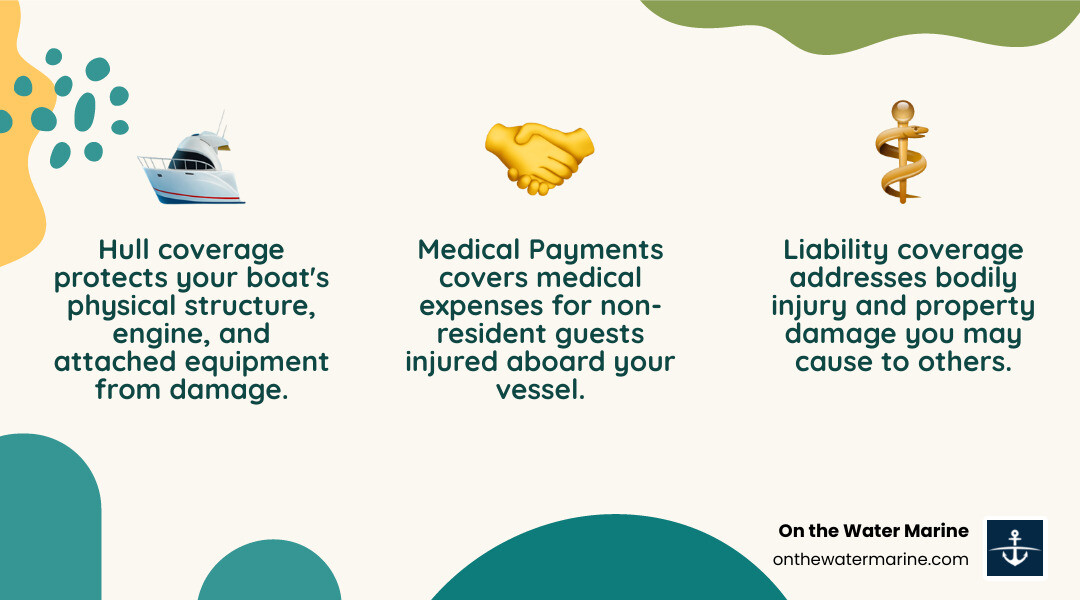
Hull coverage is usually intended to address physical damage to the vessel. This may include loss from events such as sinking, fire, theft, or collision, subject to exclusions and deductibles.
Liability provisions focus on your financial responsibility to others. Depending on the policy, this may address property damage and bodily injury you cause while operating your yacht.
Medical payments coverage may provide for certain immediate medical expenses for people injured on your vessel, sometimes regardless of fault, but limits and conditions can vary.
Uninsured or underinsured boater coverage, when included, may offer a source of recovery if you are injured by another operator who does not have sufficient insurance. Whether this is available, and how it applies, is highly dependent on the policy wording.
Agreed Value vs. Actual Cash Value on Higher-Value Yachts
One area where misunderstandings are common is how a policy values your yacht in a total or major partial loss.
An Agreed Value policy generally specifies a value for the vessel at policy inception. In many cases, total loss settlements are based on that figure, subject to terms and any applicable limitations.
An Actual Cash Value approach typically factors in depreciation and current market conditions at the time of loss. This can lead to a meaningfully different payout than the original purchase or replacement cost.
For a 35’+ yacht, this distinction can materially affect your financial exposure. The appropriate choice depends on vessel age, market conditions, lender requirements, and your tolerance for potential depreciation risk.
We often find that walking through practical “what if” scenarios with Agreed Value and Actual Cash Value helps owners better understand the tradeoffs.
How Hull and Liability Coverage May Interact in Serious Incidents
The interaction between hull and liability coverage becomes most important in complex incidents.
Consider a collision where your yacht sustains significant damage and another vessel and dock are also impacted. Depending on the policy language:
- Hull coverage may respond to repair or total loss of your vessel, subject to the valuation method and deductibles.
- Liability coverage may address damage to the other vessel, dock structures, and certain bodily injury claims if you are found legally responsible.
Legal defense costs may be handled differently by different carriers and policy forms. Some policies may treat defense within limits; others may handle it outside limits.
Understanding these mechanics in advance is often more productive than trying to interpret them for the first time after a claim.
Types of Vessels Commonly Considered for Coverage in This Range
The type and use of your yacht influence how underwriters evaluate risk and how coverage may be structured.
In Port St. Lucie and along the Florida coast, we frequently see:
- Yachts and motoryachts (35’+): Often cruising regionally or offshore, sometimes crewed, with more complex systems and higher replacement values.
- Cruisers: Designed for overnight and multi-day use, where navigation limits, shore power use, and liveaboard status may all affect underwriting.
- Sport-fishing yachts: Operating offshore, sometimes in tournaments, with specialized gear and higher engine loads.
- Center consoles in yacht-class sizes: High-performance, offshore-capable boats where speed, engines, and navigation area are important risk indicators.
Each of these vessel types can be insurable, but the acceptable navigation ranges, hurricane plans, and survey expectations may differ by carrier. This is where reviewing details specific to your vessel and use pattern tends to matter more than generic “boat insurance” guidance.
Florida and Port St. Lucie: Legal Requirements and Local Risk Factors
Florida does not generally require private insurance for recreational vessels, which can lead some owners to underestimate their exposure. For 35’+ yachts in Port St. Lucie, the practical requirements are usually driven less by statute and more by lenders, marinas, and risk tolerance.
Lenders typically require comprehensive marine coverage as a condition of financing. Many marinas and boatyards in Port St. Lucie also require proof of liability coverage, and may have minimum limit requirements or specific wording they expect to see on certificates.
For a high-value yacht, operating without a well-structured policy usually means assuming personal responsibility for collision damage, injury claims, pollution liability, and salvage or wreck removal obligations.
Local Risk Considerations for Port St. Lucie Yacht Owners
Port St. Lucie presents a combination of inland, intracoastal, and offshore exposures. These local factors often influence how policies are underwritten and what conditions appear in the fine print.
Key considerations include:
- Named storms and hurricane seasons: Many carriers apply separate named storm deductibles, haul-out provisions, or required hurricane plans. Failing to comply with stated requirements can affect how a claim is adjusted.
- Storm-related claims: In this region, significant claims frequently involve wind, surge, and dock or piling failures. How a policy treats haul-out costs, storage moves, or storm preparation expenses can vary.
- Theft and vandalism: Higher-value yachts with easily removable electronics or tenders can present attractive targets. Some policies may require specific security measures or storage arrangements.
- High-traffic waterways: The St. Lucie River, Indian River Lagoon, and nearby inlets can be congested, especially on weekends and holidays. This environment can increase collision and wake-damage exposure.
- Submerged and shifting hazards: Shoaling, unmarked obstructions, and changes following storms can lead to groundings or underwater strikes.
A port st lucie boat insurance policy custom for a larger yacht should account for these local realities in its navigation limits, storm provisions, and required risk controls.
What Influences the Cost of Port St. Lucie Boat Insurance?
For higher-value yachts, cost is a byproduct of the risk profile, not the starting point. Premiums for port st lucie boat insurance are influenced by a combination of vessel characteristics, how and where you operate, and how the policy is structured.
Key Factors That Commonly Affect Premiums
While each carrier has its own approach, several factors tend to be influential:
- Vessel value, age, and build quality: Higher-value yachts generally carry higher potential loss severity. Very old vessels, or those with deferred maintenance, may draw increased underwriting scrutiny or require specific surveys.
- Type, length, and performance: Larger, faster, or more complex vessels often represent higher potential claim costs. High-speed or high-horsepower configurations can be viewed differently than displacement cruisers.
- Cruising area and navigation limits: Regular offshore use, extended cruising ranges, or year-round exposure in hurricane-prone areas may affect premiums and deductibles.
- Storage and hurricane planning: Indoor storage, quality of marina construction, use of lifts, and a documented hurricane plan can all influence perceived risk.
- Operator and crew experience: Documented boating experience, prior ownership of similar vessels, and formal training can be significant factors.
- Claims history: A history of prior claims, especially avoidable ones, can influence both eligibility and pricing.
- Credit-based insurance score (where permitted): In some jurisdictions, carriers may consider credit-related factors as part of their overall rating model.
Premium Structure and Tradeoffs for Yacht Owners
Managing cost on a significant yacht is usually about structuring risk thoughtfully rather than aggressively minimizing premiums.
Common levers include:
- Deductible levels: Higher deductibles can reduce premiums, but also increase your out-of-pocket responsibility for each claim. For larger yachts, it is important to select a deductible that aligns with your liquidity and risk tolerance.
- Named storm deductibles and conditions: Some carriers may offer different options for named storm deductibles, haul-out credits, or required storm plans. Lower named storm deductibles may involve different pricing.
- Navigation limits: Restricting navigation to certain areas or seasons may impact cost, but can also limit your cruising flexibility.
A structured discussion of these tradeoffs often helps owners see where they are intentionally retaining risk versus transferring it to the carrier.
Customizing Your Policy: Endorsements and Additional Coverage Options
A standard marine insurance policy provides a foundation, but its value often lies in its ability to be customized through various endorsements and additional coverage options. These can address specific risks not covered by a basic policy.
Common endorsements and additional coverages include:
- Personal effects coverage: While your standard policy may cover items permanently attached to your boat, personal effects coverage is designed to cover your movable belongings, such as fishing gear, electronics, clothing, and other personal items, against theft, fire, or other specified hazards.
- On-water towing and assistance: This endorsement may cover the cost of towing your disabled vessel to the nearest repair facility or providing emergency assistance on the water. We provide further detail on this in Does Boat Insurance Cover On Water Towing?.
- Fuel spill liability: Environmental regulations concerning fuel spills are stringent. This coverage may respond to the costs associated with cleanup and environmental damage resulting from a fuel spill. You can learn more about What is Fuel Spill Liability Coverage?.
- Tender/dinghy coverage: If you carry a smaller tender or dinghy on your yacht, this endorsement may extend coverage to that auxiliary vessel.
- Mechanical breakdown: While not all policies offer this, some endorsements may provide coverage for specific mechanical failures, often excluding normal wear and tear.
It’s also prudent to consider risks to your vessel when it’s not on the water. Proper boat trailer safety practices are important, as incidents during transport or storage can also lead to claims.
The Process: From Incident to Quote
Even with a carefully constructed port st lucie boat insurance program, incidents can happen. Knowing the typical steps before, during, and after a loss can help avoid missteps that complicate a claim.
Immediately after an incident, safety remains the priority. Once people are safe and any urgent actions are taken, documenting what occurred is usually the next practical step.
Photographs, brief videos, notes on conditions (tide, weather, traffic), and contact details for any witnesses or involved parties can be useful later. Many carriers expect prompt notice of a potential claim, even if you are not yet sure whether you will seek payment.
Depending on the nature and severity of the damage, a marine surveyor may be appointed by the insurer. Their role is typically to assess the extent of loss, help determine probable cause, and provide a basis for repair estimates.
Repair quotes from qualified yards or service providers are generally required. The carrier will review these, along with the surveyor’s report and the policy language, to determine how the claim may be adjusted.
For higher-value yachts, this process can be more involved, particularly where there are questions about pre-existing conditions, maintenance, or compliance with policy requirements (such as hurricane plans or navigation limits).
How to Request a Port St. Lucie Boat Insurance Quote for a 35’+ Yacht
For larger yachts, the quote process is most useful when it is treated as a structured risk review rather than a quick price check.
Working with a marine insurance specialist often involves:
- Collecting detailed information on the vessel (build, modifications, engine configuration, refits, surveys).
- Understanding how you actually use the yacht (crew, trips, offshore plans, marina arrangements, hurricane procedures).
- Identifying any lender or marina requirements that the policy must address.
The specialist then approaches appropriate carriers, compares how each policy handles key issues (valuation, named storms, navigation limits, liability structure, exclusions), and helps you understand the tradeoffs.
If you are insuring a 35’+ vessel and want to better understand your coverage options, you can request a quote here. The more complete and accurate your information, the more meaningful the discussion of options will be.
Frequently Asked Questions about Boat Insurance
Is boat insurance required by law in Florida?
While Florida state law does not mandate private boat insurance for recreational vessels, this often misunderstood point can lead to significant risk. As we’ve discussed, lending institutions almost always require marine insurance if your vessel is financed. Similarly, many marinas and boatyards in Port St. Lucie will require proof of liability coverage before allowing you to dock. Operating without insurance, even if not legally required by the state, means you assume full financial responsibility for any damage or injury you cause. This can result in substantial out-of-pocket expenses, legal fees, and potential asset loss. For more details, our article Is Boat Insurance Required By Law? offers further clarification.
Does my homeowner’s policy extend to my boat?
It is a common misconception that a homeowner’s policy adequately covers a boat. In many cases, homeowner’s policies offer very limited, if any, coverage for vessels. They typically have strict limitations on vessel size, horsepower, and value, often excluding coverage for anything beyond very small, low-powered boats like canoes or kayaks. The liability coverage provided by a homeowner’s policy for a boat is usually minimal and may not extend to incidents that occur away from your property. This can leave significant gaps in coverage, especially for larger vessels or those used on the water. A standalone marine policy is specifically designed to address the unique risks of boating, offering hull, liability, and specialized coverages not typically found in homeowner’s policies. Our FAQ on Is My Boat Covered Under My Homeowners Policy? explores this in more detail.
How does boat insurance address liability for accidents?
Liability coverage within your port st lucie boat insurance policy is designed to respond financially if you are found legally responsible for an accident on the water. This typically includes several key components:
- Bodily injury coverage: This may cover medical expenses, lost wages, and pain and suffering for individuals who are injured due to an incident involving your boat, where you are deemed at fault.
- Property damage coverage: This may pay for damages to another person’s property, such as another vessel, a dock, or navigational markers, if caused by your boat.
- Wreck removal: In some policies, liability coverage may extend to the costs associated with removing your sunken or disabled vessel from a waterway if it poses a hazard to navigation.
- Legal defense costs: If you are sued as a result of a boating accident, your liability coverage may also help with the legal fees incurred in defending yourself, even if you are ultimately found not liable.
The specific limits and conditions of your liability coverage can vary significantly by policy and carrier. It is important to understand these limits to better assess your potential financial exposure. For a comprehensive understanding, refer to What Does Liability Boat Insurance Cover?.
Conclusion
For 35’+ yacht owners in Port St. Lucie, port st lucie boat insurance is ultimately about avoiding avoidable surprises when something goes wrong.
Clarity around hull versus liability, Agreed Value versus Actual Cash Value, named storm conditions, and key exclusions can make a significant difference when a serious loss occurs.
Because coverage can vary widely by carrier and policy form, relying on assumptions or generic explanations often creates risk. A methodical review of how your specific vessel, cruising plans, storage arrangements, and hurricane procedures align with your policy language is usually time well spent.
For complex or high-value marine risks, working with a specialist can help clarify available options and highlight where differences in policy language truly matter.
If you are insuring a 35’+ vessel and want to better understand your coverage options, you can request a quote here.
Related Articles

Why Serious Anglers Need to Understand Insurance Before Casting Off Fishing trip insurance protects your financial investment in guided expeditions, remote charters, and international angling trips [...]
Why Most Miami Boat Owners Don’t Find Coverage Problems Until It’s Too Late Boat insurance Miami Florida is often misunderstood until the moment a claim is [...]
Protecting Your Passion on Texas Waters Texas fishing guide insurance is specialized commercial coverage protecting professional guides from liability claims, equipment damage, and other business risks. [...]


