
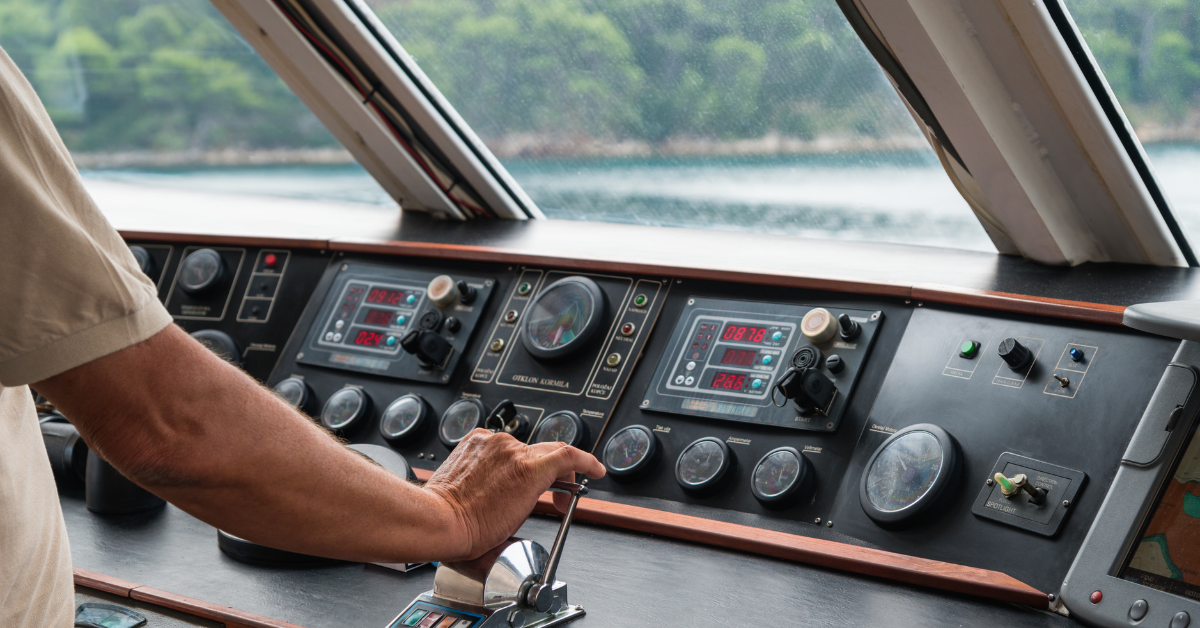
For many boaters, completing the Great Loop is the adventure of a lifetime. It’s a journey that spans approximately 6,000 miles through some of the most scenic waterways in North America. Along the way, you’ll travel through the Great Lakes, inland rivers, the Intracoastal Waterway, the Gulf of Mexico, and the Atlantic Coast before returning to your starting point.
Depending on your pace, the trip typically takes 12 to 18 months, although some Loopers complete it faster while others spread the journey over multiple seasons.
If you’re just beginning your research, the America’s Great Loop Cruisers’ Association (AGLCA) is an excellent resource. They offer route planning information, educational articles, events, a members forum, and planning guides for both new and experienced Loopers. Whether you’re still dreaming about the trip or actively shopping for a boat, it’s one of the best places to learn more about the Great Loop.
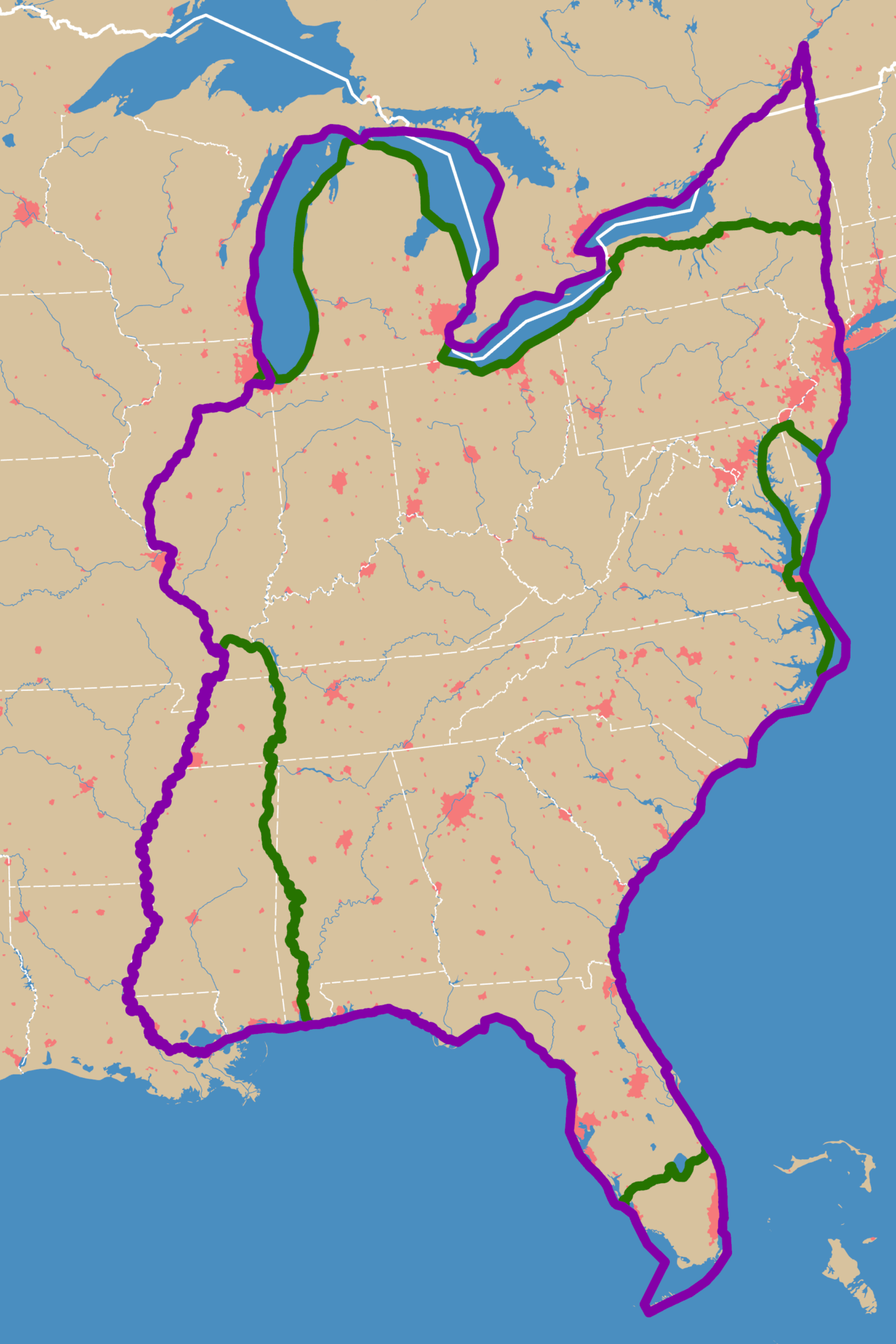
Map courtesy of Tom Fish (geo.fish / Fish Eye), Public Domain, via Wikimedia Commons.
Great Loop Insurance Is Different
A big misconception is that every boat insurance policy automatically covers the Great Loop.
In reality, many recreational boat insurance policies are designed for seasonal or weekend boating. A Great Loop trip is very different. Your boat may become your home for more than a year while traveling thousands of miles through rivers, lakes, canals, and coastal waters.
Because of that, not every insurance company is willing to insure a vessel completing the Loop.
The good news is that there are excellent marine insurance companies that understand long-distance cruising. Carriers such as Chubb, Markel, and Seafarer Marine Insurance are examples of companies that can provide coverage for many Great Loop adventures, depending on the vessel and your individual situation.
Choosing an insurance company that understands this type of cruising is one of the most important decisions you’ll make before you leave the dock.
Hurricane Season Navigation Restrictions
One of the most important parts of a Great Loop insurance policy is your navigation territory.
Many insurance companies require vessels to remain north of approximately 32° North latitude during hurricane season. This helps reduce exposure to tropical storms and hurricanes.
That may sound restrictive at first, but it actually aligns well with how most people complete the Loop. During hurricane season, many Loopers are already cruising through the Great Lakes and northern waterways. As the season ends, they continue south through the Intracoastal Waterway and eventually into Florida.
Your insurance policy will clearly outline where you’re permitted to operate throughout the year, so it’s important to discuss your travel plans before your coverage begins.

Choosing the Right Boat
Certain boats have become favorites among Great Loop cruisers because they offer a comfortable balance of living space, fuel efficiency, and manageable handling.
We regularly see customers completing the Loop in boats such as:
- Carver motor yachts
- Mainship trawlers
- Grand Banks
- Nordic Tugs
- Other trawlers and cruising motor yachts
Many of these boats fall into the 40 to 45-foot range, offering enough room to comfortably live aboard for an extended period while remaining practical to operate.
First-Time Yacht Owners May Need Captain Training
Many future Loopers are moving into the largest boat they’ve ever owned.
For example, you may have years of experience operating a 24-foot or 28-foot boat, but now you’re purchasing a 45-foot motor yacht for your Great Loop adventure.
Insurance companies understand that larger boats require a different skill set.
Because of this, it’s common for an insurance company to require training with a licensed captain before allowing you to operate the boat independently. This isn’t a penalty. It’s simply part of the underwriting process and helps ensure you’re comfortable handling your new boat before beginning a journey of this size.
Liability Coverage Matters
As you’re traveling from marina to marina, you’ll likely spend many nights in transient slips.
Many marinas require proof of liability insurance before allowing a vessel to dock. While requirements vary, $500,000 in liability coverage is commonly requested and is the minimum limit we recommend for Great Loop travelers.
Considering the amount of time you’ll spend around other boats, docks, and marinas, carrying an appropriate liability limit is an important part of protecting yourself throughout the trip.
How Much Does Great Loop Insurance Cost?
One of the first questions we hear is:
“How much does Great Loop insurance cost?”
The honest answer is that it depends on several factors, including:
- The value of your boat
- The age and type of vessel
- Your boating experience
- Where you’ll be cruising
- Your planned navigation territory
- The coverage options you choose
As a general example, we’ve insured Great Loop boats for around $1,500 per year on older vessels valued near $100,000, while larger motor yachts valued around $650,000 can cost $7,000 or more annually to insure.
Every boat is different, so the best time to explore insurance options is before you purchase the boat. Knowing your insurance costs ahead of time can help you budget more accurately and avoid surprises.
Talk to Us Before You Buy
One of the biggest mistakes prospective Loopers make is buying the boat first and asking about insurance later.
A quick conversation before you make an offer can help answer important questions like:
- Is this boat a good fit for the Great Loop?
- Which insurance companies are available?
- Will I need captain training?
- Is a marine survey required?
- Does the planned route fit within the policy’s navigation limits?
- What should I expect my insurance premium to be?
Getting those answers early can save time, money, and frustration. The Great Loop is one of the most rewarding boating adventures in North America. With the right boat, a well-planned route, and the proper insurance coverage, you’ll be able to focus on enjoying the journey instead of worrying about whether your policy will keep up with your travels.
If you’re just beginning your search for the perfect Great Loop boat or already have one picked out, we’d be happy to review your plans, explain your insurance options, and help you find coverage that’s designed for the way you’ll actually be cruising.
As always, remember to wear your life jackets and enjoy your time, On The Water!
Written by Eric Fisher
Boat Insurance Guy and Agency President of On The Water Marine Insurance.
Related Articles

High-performance center consoles with triple, quad, or even five outboards can require a different approach to boat insurance. Learn how speed, horsepower, boating experience, theft protection, offshore navigation, and hurricane exposure can affect your insurance options.
Getting a boat loan involves more than comparing interest rates. Many lenders have insurance requirements that can affect your deductible, survey requirements, charter use, and even whether your policy qualifies for financing. Learn the insurance implications of financing a boat and how working with an experienced marine lender can help prevent delays before closing.
Boat insurance in Miami isn’t built the same as anywhere else. Between Bimini crossings, trips through the Florida Keys, marina requirements, and hurricane exposure, how you use your boat matters just as much as what you own. This article breaks down how pricing works, why Monroe County is more difficult to insure, and how recent changes are opening up new options for high-performance boats in South Florida.


